With the speed of innovation in technology, managing assets efficiently is critical to maintaining competitiveness and ensuring long-term business success. Device as a Service (DaaS) is a strategic approach enabling your company to optimize end-user assets, from acquisition to disposal. In this blog post, we'll define Device as a Service and dive into its primary benefits and key components. In the end, you will have a better understanding of how DaaS can transform your approach to technology management.
What is Device as a Service?
Device as a Service (DaaS) encompasses the processes and strategies involved in managing assets throughout their entire lifecycle, from cradle to grave. It involves the systematic planning, acquisition, support, maintenance, and disposal of assets in a way that maximizes their value while minimizing costs and risks. It increases your visibility into the assets currently in use and gives you clarity on per-user investment, replacement schedules, and future budgeting requirements.
Primary Benefits
- Optimized Asset Utilization: DaaS helps organizations maximize the utilization of end-user assets by ensuring they are deployed effectively and efficiently throughout their lifecycle.
- Cost Reduction: By strategically managing assets, organizations can minimize unnecessary spending on maintenance, repairs, and replacements.
- Predictability: With DaaS, you will be able to more effectively budget for your technology needs; understand your replacement schedule; and gain insight into the technology costs associated with your business.
- Risk Management: Proper asset management helps mitigate risks associated with unexpected downtime and cybersecurity threats.
- Decision Support: DaaS allows valuable insights and data-driven decision support for asset investment, maintenance scheduling, and retirement planning.
- Scalability: DaaS gives you the ability to scale your business and replace assets incrementally which smooths out peaks and valleys of technology expenditures.
Key Components
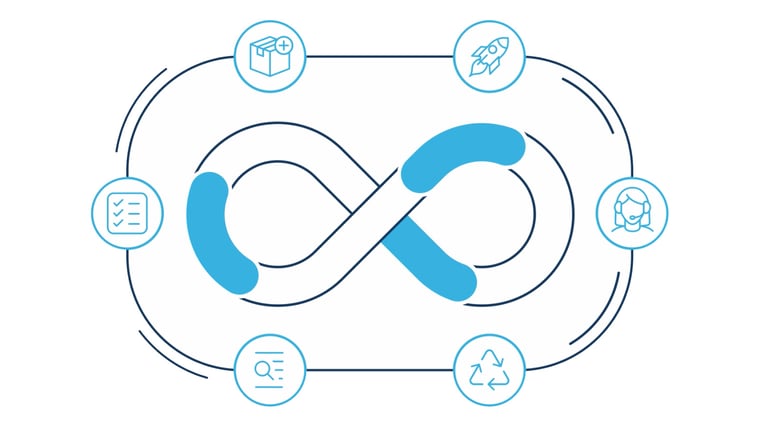
- Planning: Through a discovery process, develop an asset inventory followed by an asset management plan to optimize your productivity and efficiency.
- Acquisition: Buy the right products at the right time to meet your IT needs and avoid unnecessary interruptions in your business process.
- Deployments: Set users up with the right technology that has the right configuration to allow them to exceed expectations.
- Support: Provide users with the support they need and ensure all assets are up to date and free from the potential risk of malicious activity.
- Retirement: Ensure your assets are decommissioned and cleared of any proprietary information prior to being recycled in an environmentally conscious manner.
As you consider your technology needs today and into the future, Device as a Service (DaaS) is a strategic approach that enables you to optimize the lifespan of your assets while minimizing costs, risks, and environmental impact. Implementing DaaS will enhance operational efficiency, provide organizational consistency, maintain regulatory compliance, and drive long-term value creation. However, to be effective, DaaS requires a holistic approach encompassing planning, acquisition, support, and retirement.